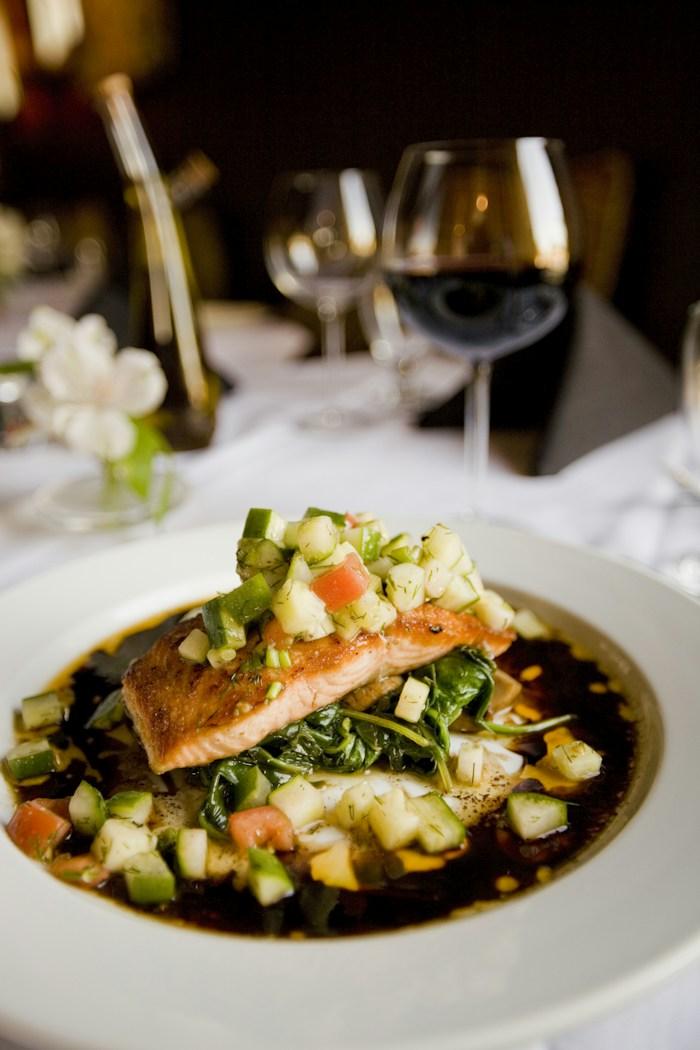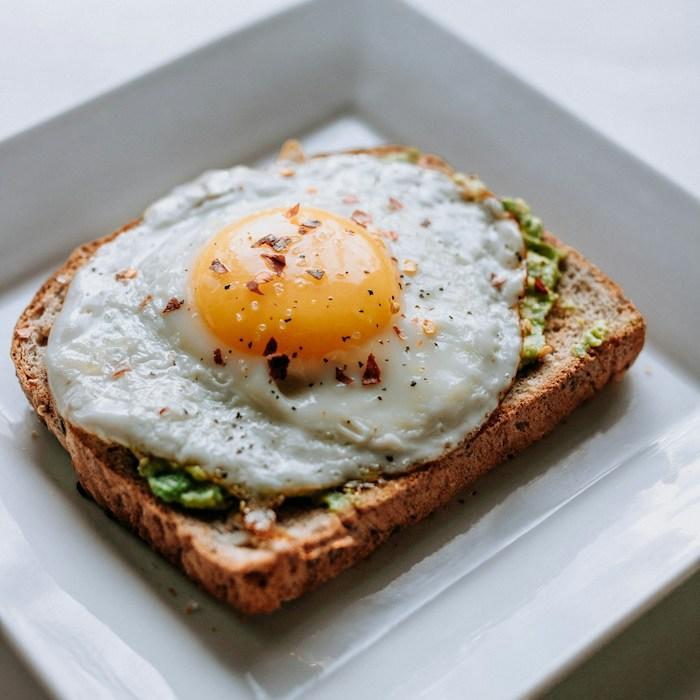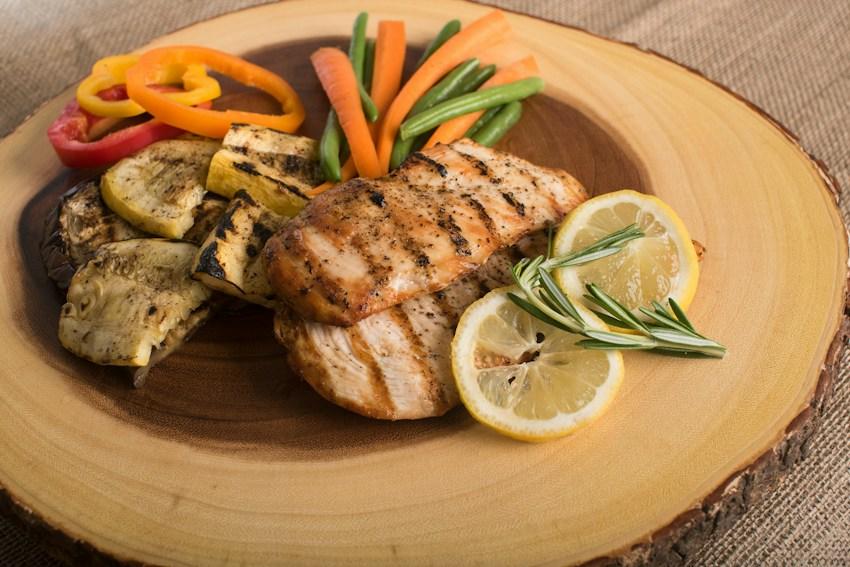
Preparing a meal ahead gives you another useful thing to prepare: the information you will need to log it. When the ingredients and portions are clear, a food diary entry can take less guesswork.
Start with one meal you expect to eat again. Keep a short ingredient record, decide how you will divide the batch, and record each serving when you eat it. You do not need to plan every meal of the week to make this useful.
Keep the information that a photo cannot show
Write down the ingredients and amounts while you cook. Include the oil, sauce, dressing, and toppings you add. Keep package labels available if you will use their values to calculate the batch. A later photo can show the finished plate, but it cannot reliably recover that ingredient record.
Use a consistent basis for quantities. If a label describes dry rice, do not apply its values directly to the same weight of cooked rice. Write down which form you measured and use nutrition information that describes that form. Check whether the label is per serving or per package before adding it to a total.
Decide what one portion represents
For a uniformly mixed batch divided into equal portions, divide the batch’s calculated nutrition by the number of portions. As an arithmetic example, a batch calculated at 1,600 calories and divided equally into four containers gives 400 calories per container. The example is not a nutrition estimate for the pictured meal.
Different portions need a different review. If one box contains more rice or extra dressing, an equal division may not describe it. Keep those additions separate in your calculation, or record the portions individually. The result is only as useful as the ingredient values and amounts behind it.
Plan storage alongside portions
Do not assume a full week of prepared food belongs in the refrigerator. FoodSafety.gov lists three to four refrigerated days for cooked meat or poultry leftovers, soups, and stews at 40°F (4°C) or below. Storage guidance varies by food; consult the chart for your specific ingredients and freeze portions intended for later.
Federal food safety guidance says to refrigerate leftovers promptly, using shallow containers for quicker cooling. Do not leave them at room temperature for more than two hours, or one hour when temperatures exceed 90°F (32°C). Label containers with the preparation date so storage does not depend on memory.
Food storage dates and diary dates serve different purposes. A preparation date helps you manage the food; the diary date records when you ate it. An app entry does not establish that food has been stored safely.
Record the portion when it becomes a meal
Preparing four containers does not mean you have eaten four meals. Add a diary entry when you eat a portion, using that day’s date and the appropriate category. Enter your calculated values manually when you have them, or review a photo estimate when that is the information available.
Check any changes made at serving time. Extra sauce, a different side, or a smaller portion can make today’s plate different from the planned container. Give the meal a recognizable name and confirm the saved entry once. A small amount of preparation can make the record clearer without making the routine complicated.
Sources and editorial note
Written by InstantFork. Practical app guidance is based on the current logging workflow. The references below support the nutrition or food storage information in this article.
- Serving Size on the Nutrition Facts Label U.S. Food and Drug Administration
- Cold Food Storage Chart FoodSafety.gov
- 4 Steps to Food Safety FoodSafety.gov
General food information. Review AI estimates before saving; this article does not provide medical advice or allergy verification.